

Drug-Resistant KRAS G12D Lung Cancer Models
KRAS G12D inhibitors continue to advance, but treatment resistance remains an important challenge. Understanding how that resistance develops is critical...
Continue Reading

KRAS G12D inhibitors continue to advance, but treatment resistance remains an important challenge. Understanding how that resistance develops is critical...
Continue Reading
CAR-T therapies have transformed the treatment of hematologic malignancies, yet complex manufacturing, long production timelines, and high costs continue to...
Continue Reading
Neutrophilic asthma remains one of the most challenging forms of asthma to study, with limited preclinical models available to support...
Continue Reading
Conjugated therapeutics, including antibody-drug conjugates (ADCs) and antibody-oligonucleotide conjugates (AOCs), are reshaping the future of targeted therapies and driving new...
Continue Reading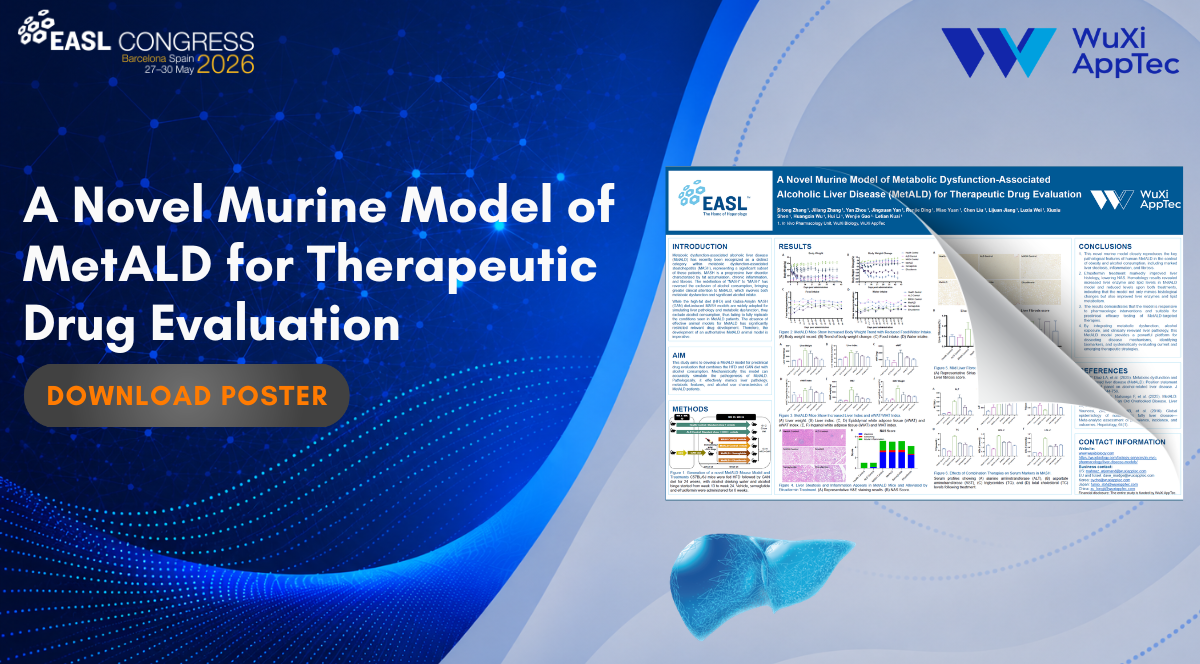
Metabolic dysfunction-associated alcohol-related liver disease (MetALD) presents unique challenges for preclinical drug development, requiring models that capture the combined effects...
Continue Reading
OncoWuXi Express will continue to keep you informed of updates to our online pharmacology model database (OncoWuXi Database) and our...
Continue Reading
Substance Addiction Models and Pharmacodynamic Evaluation of Semaglutide in the Treatment of Substance Use Disorders OncoWuXi Express will continue to...
Continue Reading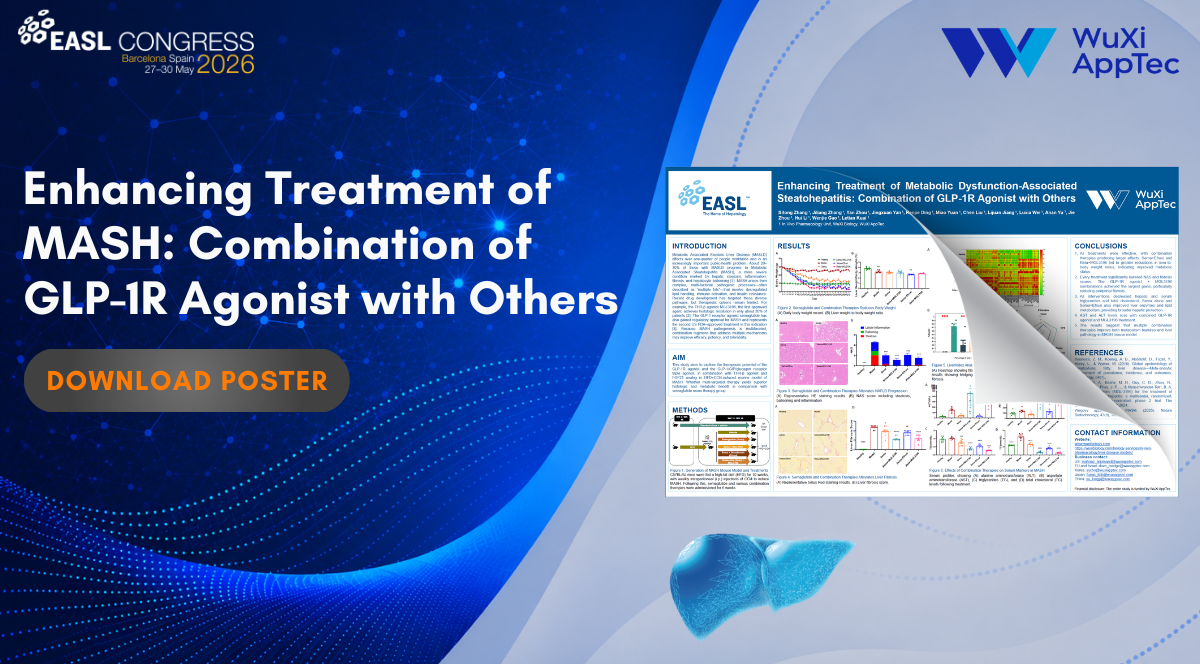
Metabolic dysfunction-associated steatohepatitis (MASH) remains a significant global health challenge, driven by a complex interplay of lipid dysregulation, inflammation, and...
Continue Reading
Strategies for Novel Autoimmune Drug Development: Preclinical Efficacy and Case Studies of JAK-STAT Targeted Therapies JAK Family Molecules: Central Hubs...
Continue Reading