
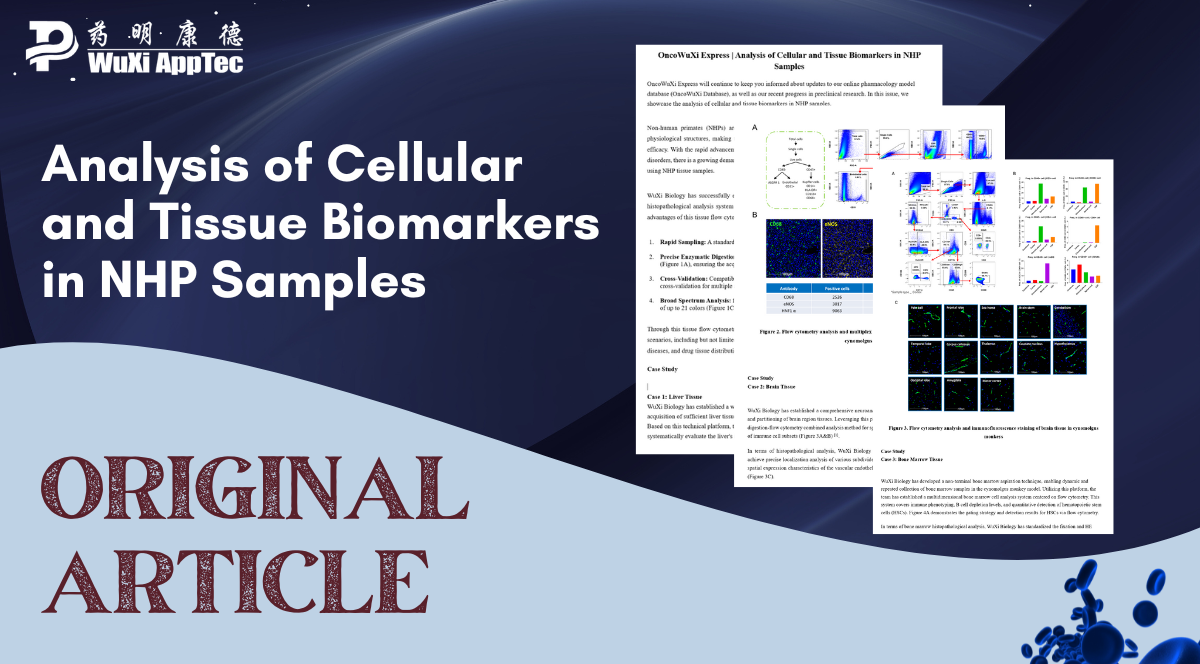
Analysis of Cellular and Tissue Biomarkers in NHP Samples
OncoWuXi Express will continue to keep you informed about updates to our online pharmacology model database (OncoWuXi Database), as well...
Continue Reading

OncoWuXi Express will continue to keep you informed about updates to our online pharmacology model database (OncoWuXi Database), as well...
Continue Reading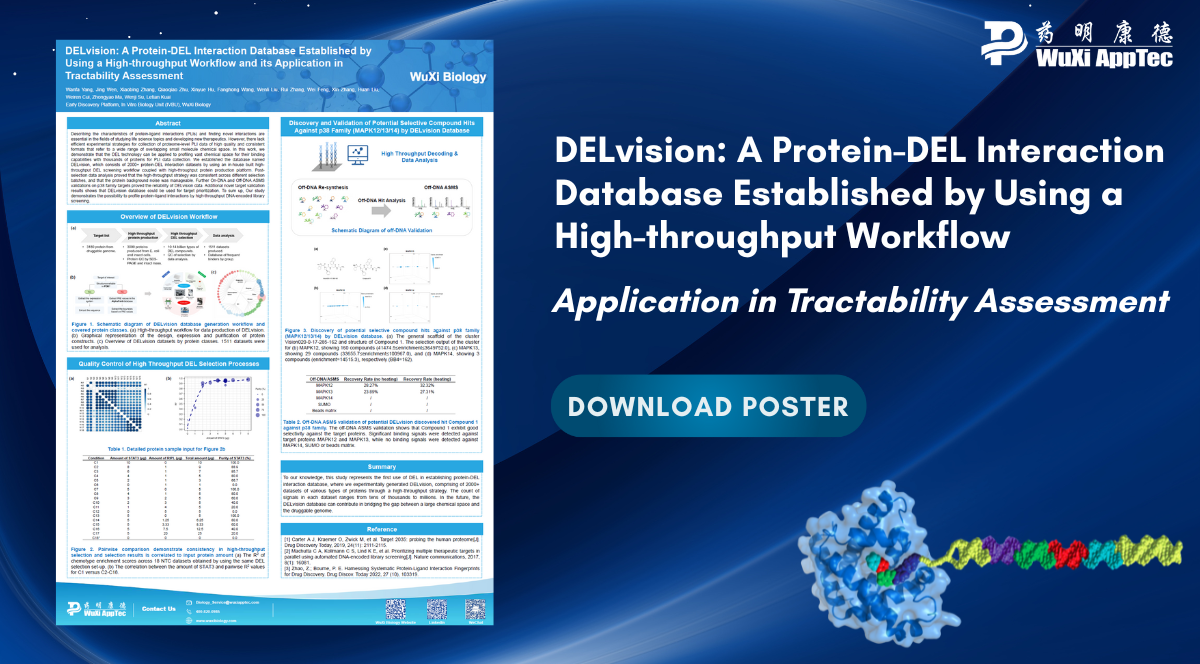
Currently, there is a lack of efficient experimental strategies to collect high-quality proteome-level data for protein-ligand interactions (PLIs). At DEL...
Continue Reading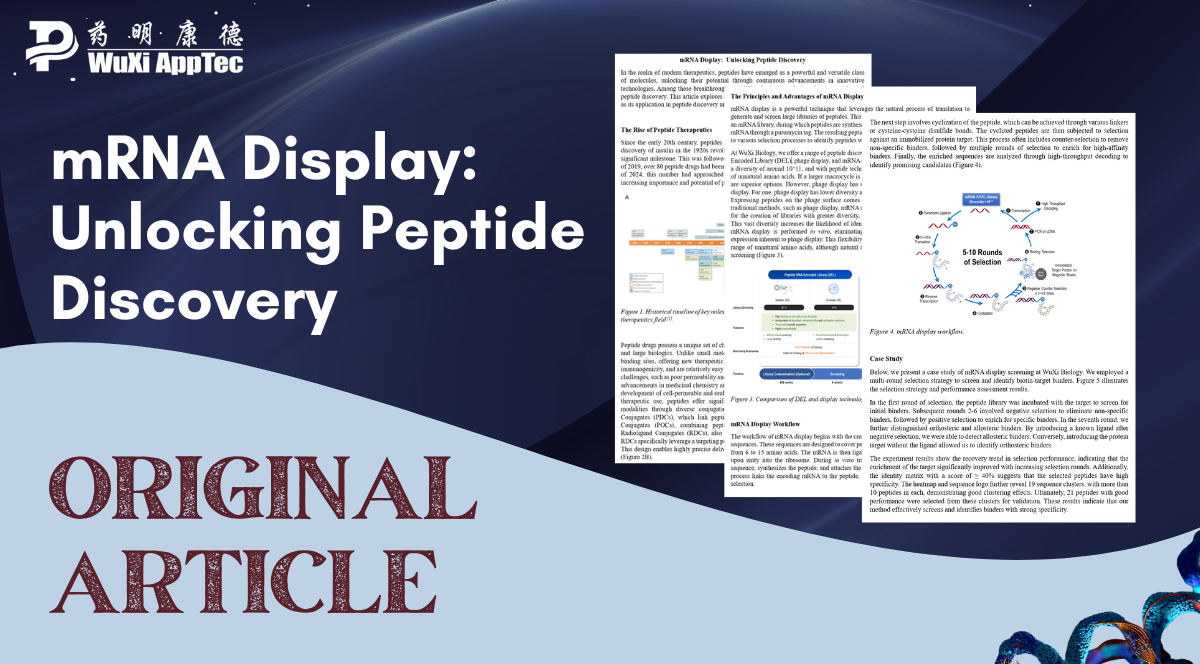
Introduction: In the realm of modern therapeutics, peptides have emerged as a powerful and versatile class of molecules, unlocking their...
Continue Reading
Peptide-based therapeutics have emerged as a significant class of drugs in the pharmaceutical landscape, offering numerous advantages, including high specificity,...
Continue Reading
Metabolic dysfunction-associated steatohepatitis (MASH), previously known as nonalcoholic steatohepatitis (NASH), is a serious liver disease. If left untreated, MASH can...
Continue Reading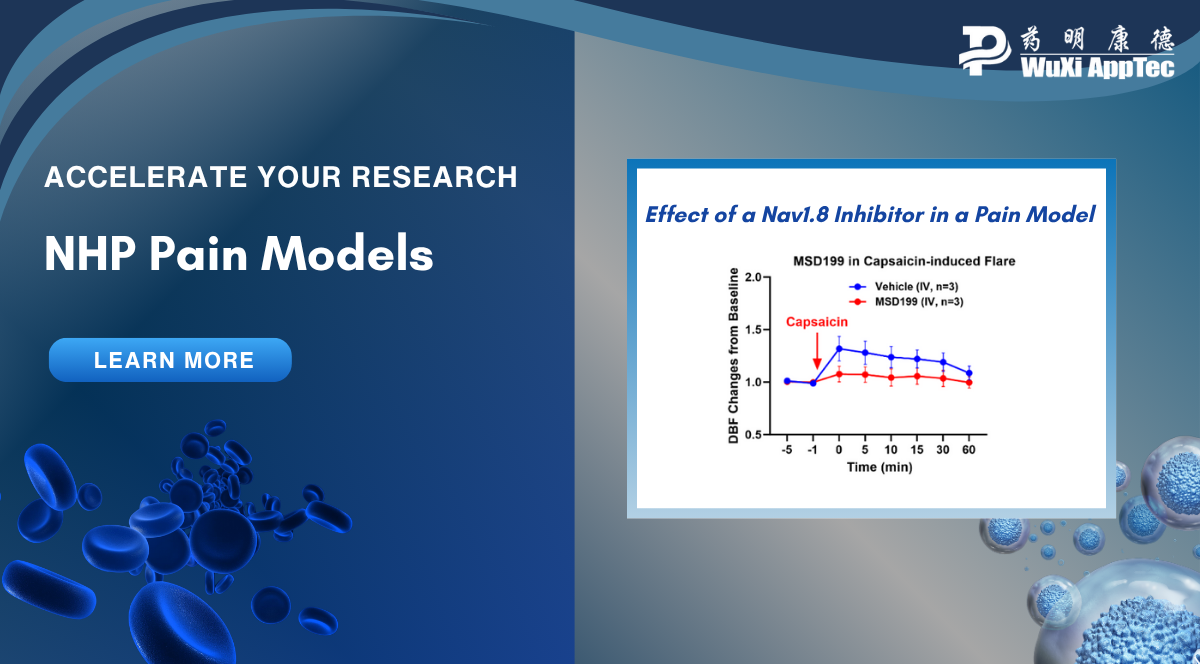
Introduction: OncoWuXi Express will continue to keep you informed about updates to our online pharmacology model database (OncoWuXi Database), as...
Continue Reading
Antibody-drug conjugates (ADCs) hold great promise as cancer therapeutics, as they combine the precision of monoclonal antibodies with the potency...
Continue Reading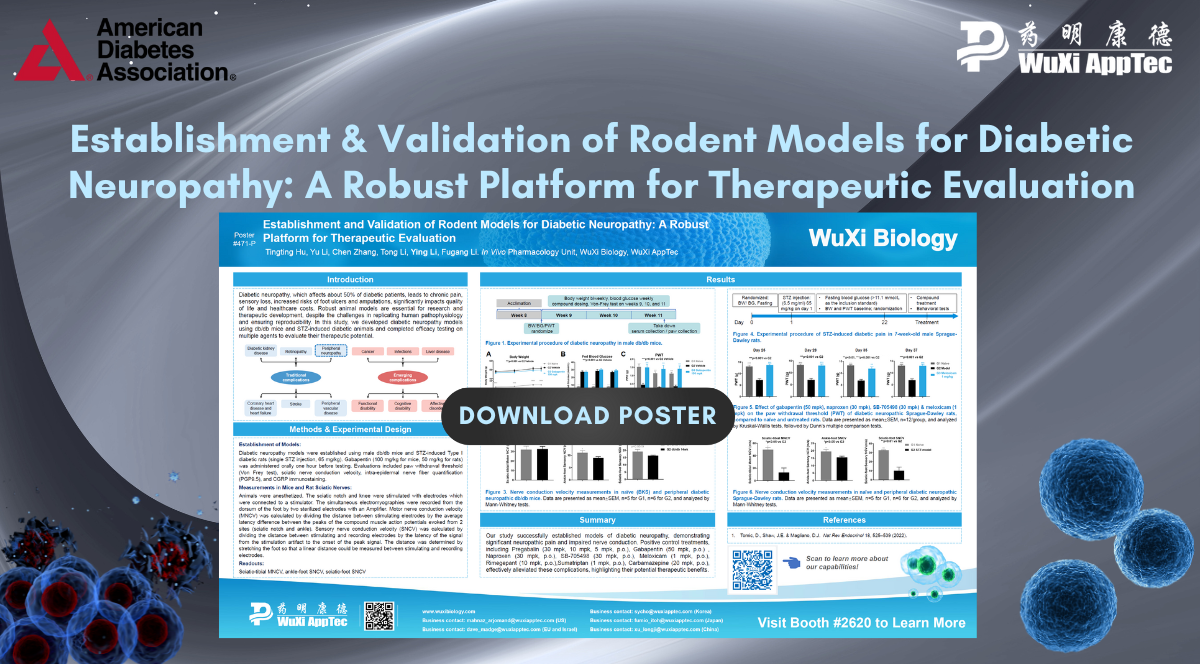
Diabetic neuropathy, a common complication of diabetes, affects approximately 50% of diabetic patients and can lead to a range of...
Continue Reading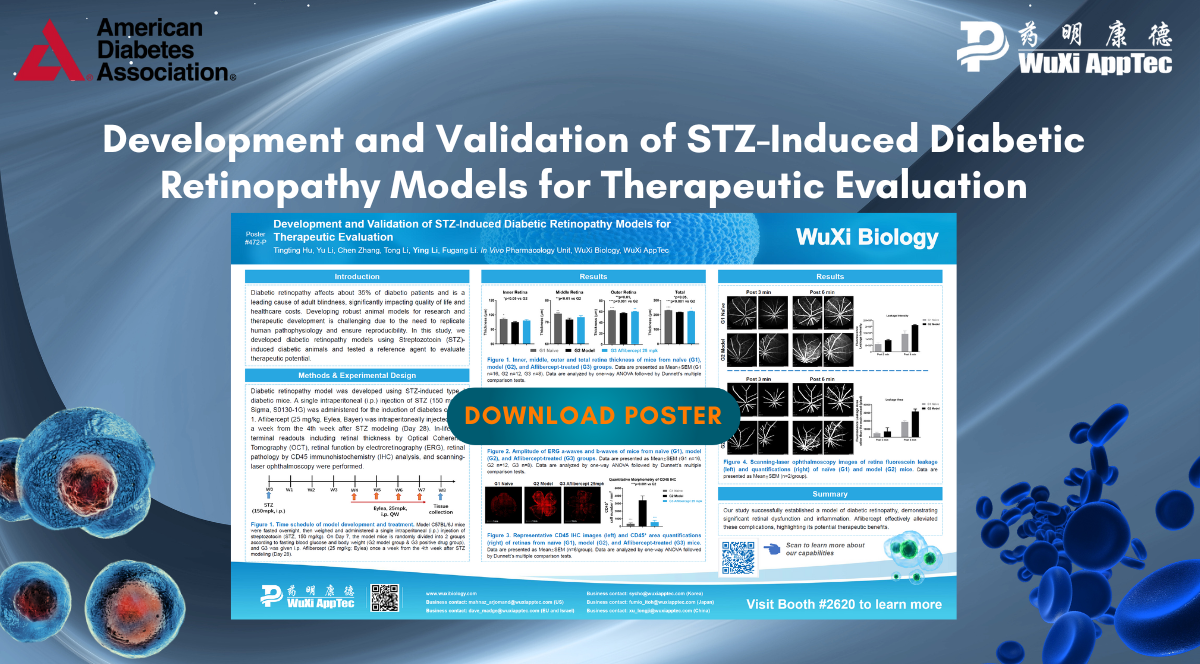
Diabetic retinopathy is a major contributor to vision loss and blindness in working-age adults with diabetes. Developing animal models that...
Continue Reading