


Combination Therapies in a Mouse MASH Model
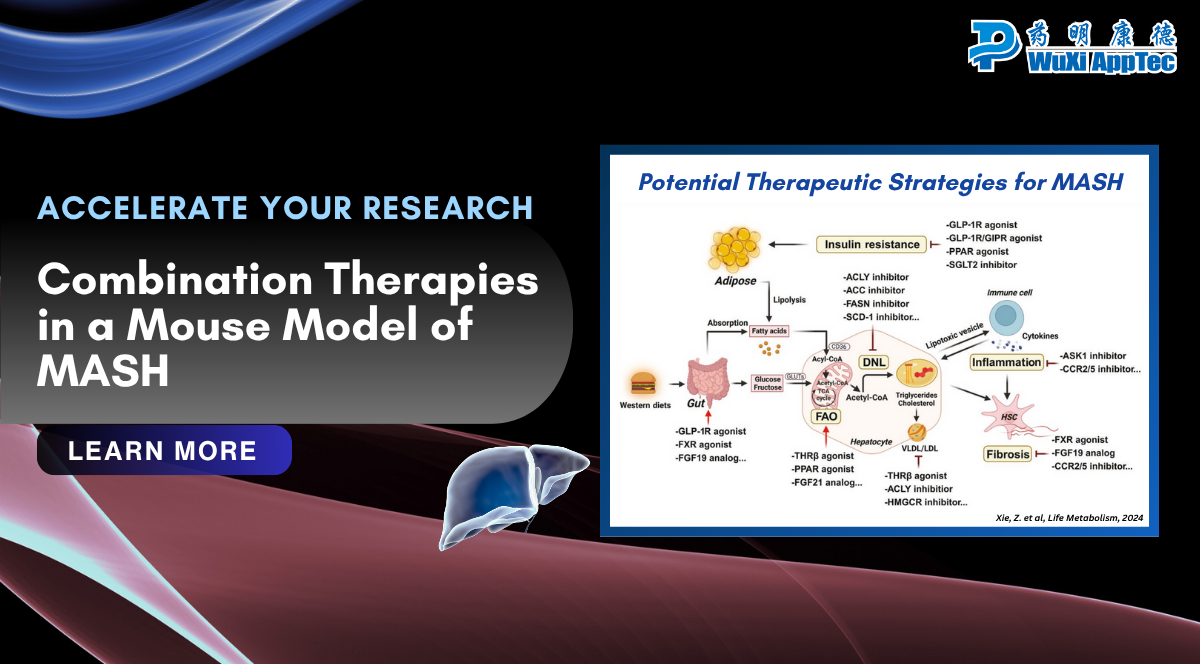
Metabolic dysfunction-associated steatohepatitis (MASH), previously known as nonalcoholic steatohepatitis (NASH), is a serious liver disease. If left untreated, MASH can lead to cirrhosis, liver failure, and liver cancer. The main characteristics of MASH include fat accumulation, inflammation, fibrosis, and hepatocyte ballooning in the liver. The pathogenesis of MASH is complex and involves multiple interacting factors, often referred to as “multiple hits”.
This understanding of MASH pathogenesis has led to the realization that targeting multiple pathways with combination therapies has the potential to improve treatment efficacy. To support the development of novel therapies for metabolic diseases, WuXi Biology has established multiple steatosis/steatohepatitis models and evaluated combination therapies in these models.
Combination Therapies in a Mouse MASH Model
Related Content
KRAS G12D inhibitors continue to advance, but treatment resistance remains an important challenge. Understanding how that resistance develops is critical...
VIEW RESOURCEMetabolic dysfunction-associated steatohepatitis (MASH) remains a significant global health challenge, driven by a complex interplay of lipid dysregulation, inflammation, and...
VIEW RESOURCE