

In Vivo Evaluation of VEGF-Targeted Bispecific Antibodies
As PD-1/PD-L1 x VEGF-targeted bispecific antibodies gain momentum in oncology, selecting the right preclinical models is becoming increasingly important. These...
Continue Reading

As PD-1/PD-L1 x VEGF-targeted bispecific antibodies gain momentum in oncology, selecting the right preclinical models is becoming increasingly important. These...
Continue Reading
KRAS G12D inhibitors continue to advance, but treatment resistance remains an important challenge. Understanding how that resistance develops is critical...
Continue Reading
CAR-T therapies have transformed the treatment of hematologic malignancies, yet complex manufacturing, long production timelines, and high costs continue to...
Continue Reading
Building on the momentum of AACR 2026, WuXi AppTec was honored to host an exceptional group of regional industry leaders...
Continue Reading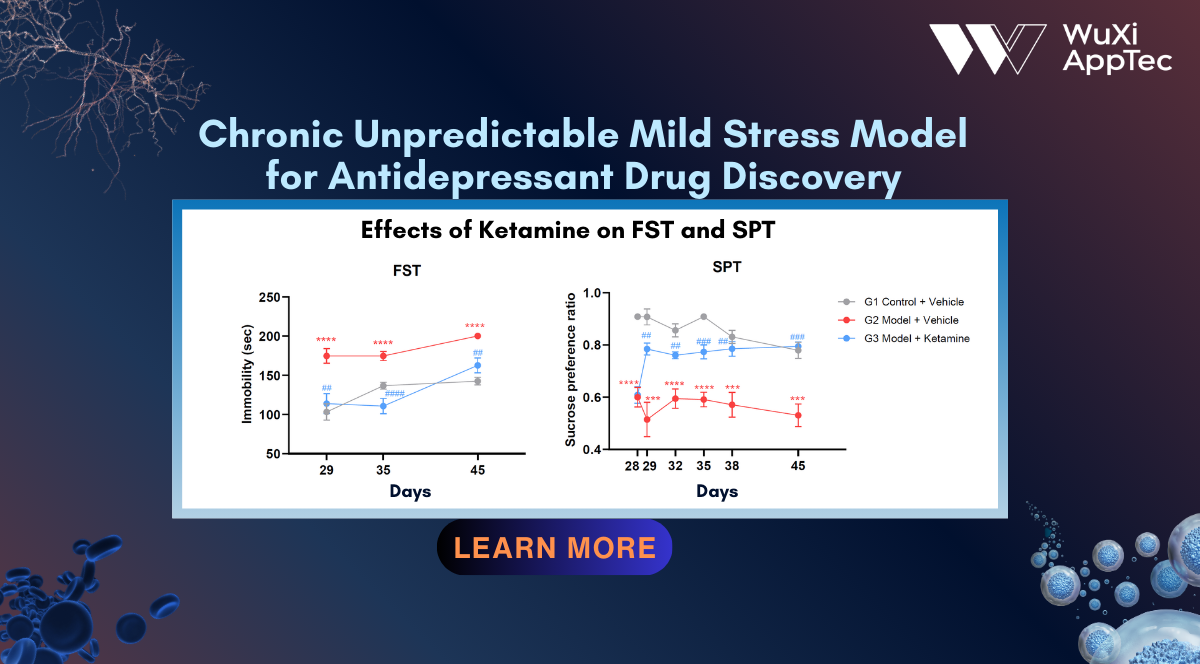
Stress is a major environmental risk factor that triggers depressive episodes, inducing symptoms such as anhedonia, negative cognitive bias, and...
Continue Reading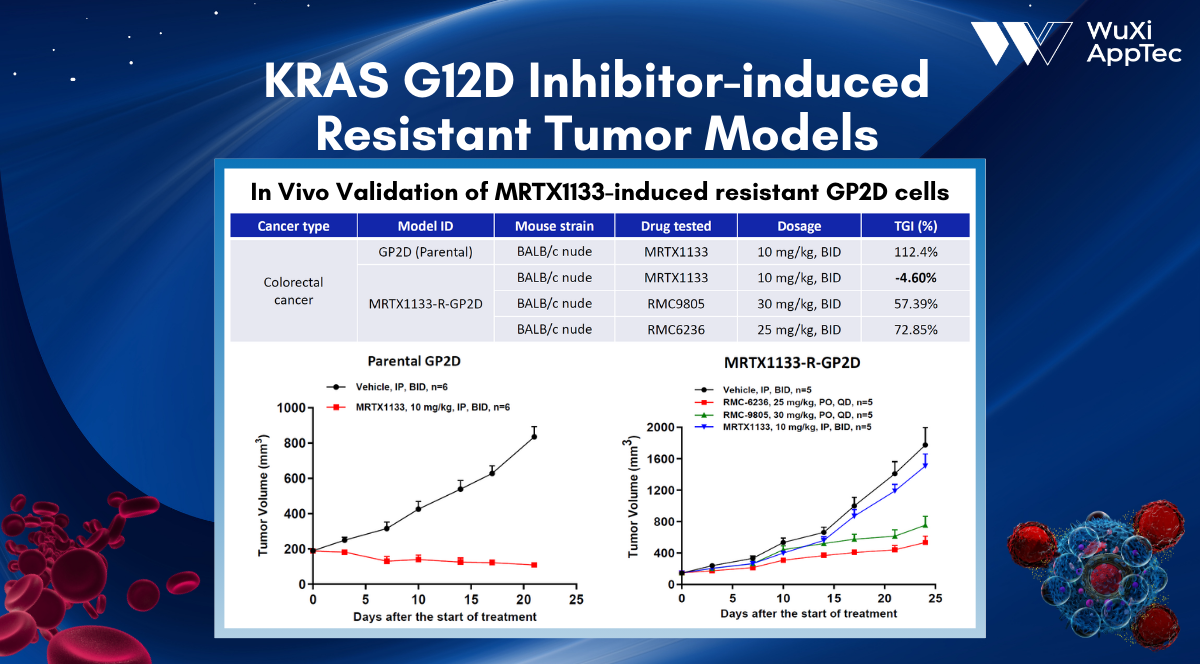
KRAS mutations act as primary initiators of carcinogenesis in several major cancers and are present in approximately 20 – 25%...
Continue Reading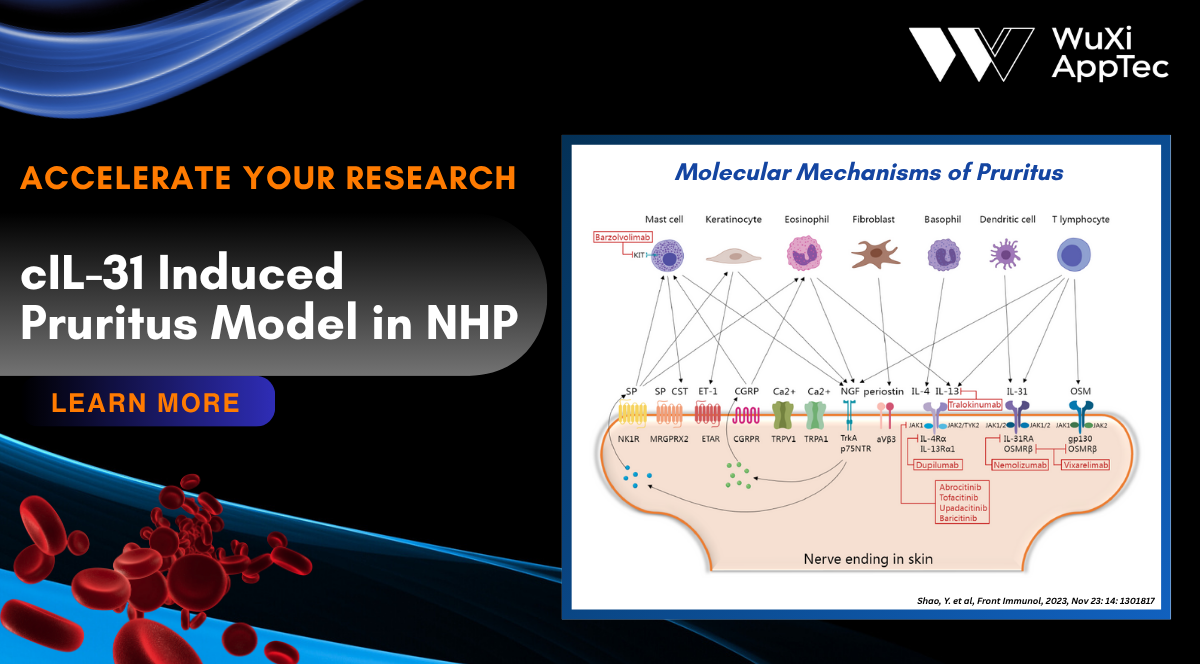
The “itch-scratch cycle” is a central pathogenic driver in many pruritic (itch-related) inflammatory skin diseases, such as atopic dermatitis (AD),...
Continue Reading
Spontaneous mouse tumor-derived syngeneic models are valuable tools in preclinical cancer research. These tumor models offer unique advantages because immunotherapies...
Continue Reading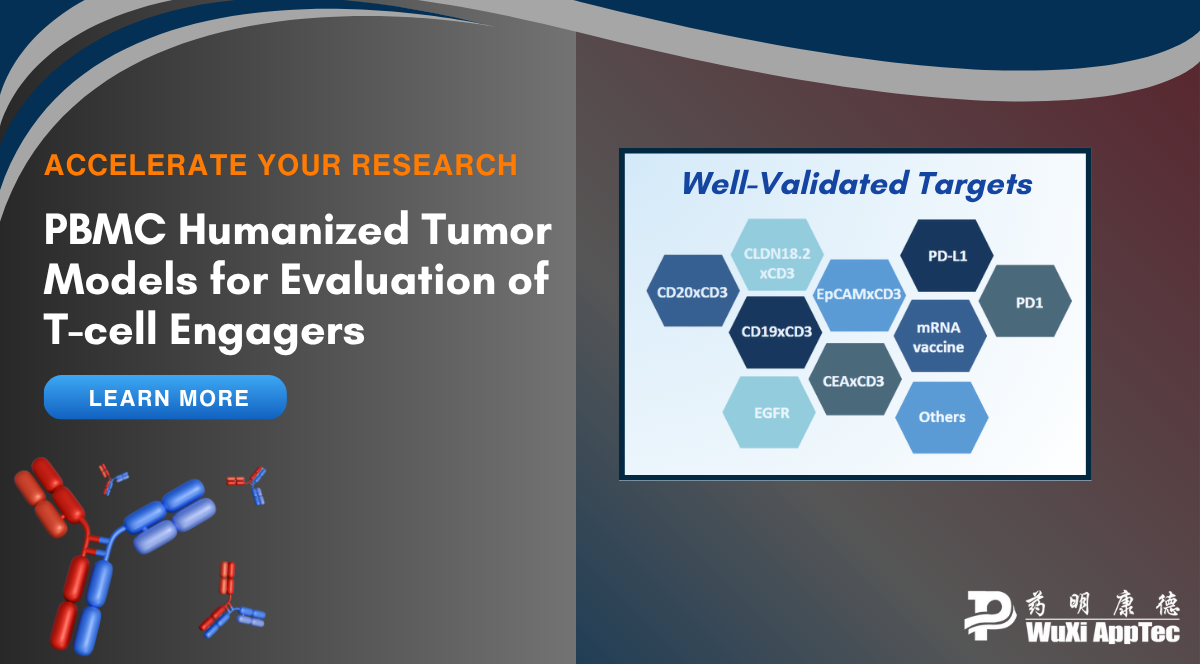
T-cell engagers (TCEs) are a class of bispecific antibody-based immunotherapies designed to bring T cells into close proximity with cancer...
Continue Reading