


CTHRC1 as a Novel Candidate for Neurodevelopmental Disorders
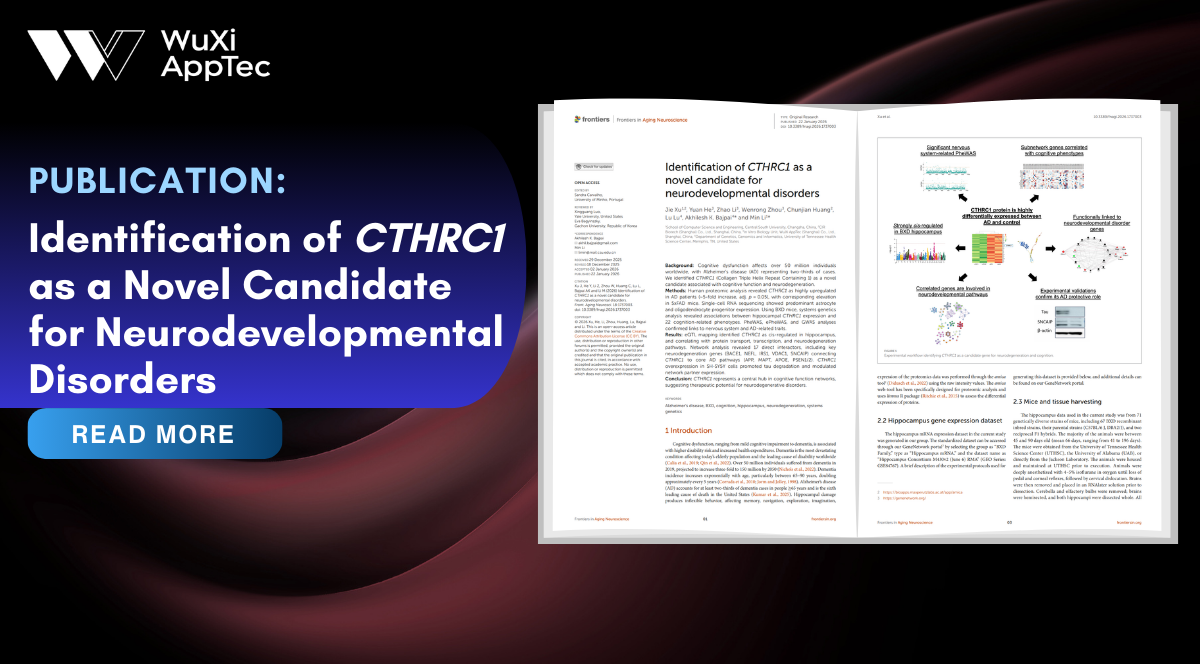
Cognitive dysfunction affects over 50 million individuals worldwide, with Alzheimer’s disease (AD) representing two-thirds of cases. Due to the complexity of cognitive dysfunction, pathogenic mechanisms remain incompletely understood, and identifying novel drug targets is needed to support the development of new therapies.
WuXi AppTec scientists contributed to a study that identified CTHRC1 (“Collagen Triple Helix Repeat Containing 1”) as a novel candidate associated with cognitive function and neurodegeneration. This protein is primarily expressed in astrocytes and oligodendrocyte progenitor cells within the brain and is significantly upregulated in AD patients. The authors show that CTHRC1 overexpression in SH-SY5Y cells promotes tau degradation and modulates the expression of network partners, underscoring CTHRC1 as a candidate biomarker or potential therapeutic target for AD-related cognitive dysfunction.
Related Content
Stress is a major environmental risk factor that triggers depressive episodes, inducing symptoms such as anhedonia, negative cognitive bias, and...
VIEW RESOURCEOligonucleotide therapeutics represent a transformative treatment modality with demonstrated potential across metabolic disorders, CNS diseases, muscular dystrophies, and a broad...
VIEW RESOURCE