


Novel E3 Ligase to Support Targeted Protein Degradation

Targeted protein degradation (TPD) continues to expand the possibilities for next-generation therapeutics, and identifying novel E3 ligases remains an important area of innovation in the field.
At AACR 2026, WuXi Biology presented a poster highlighting a discovery approach combining DNA-encoded library (DEL) screening and proteolysis-targeting chimera (PROTAC) design to explore new E3 ligase opportunities for TPD research.
In this work, our scientists identified and optimized proprietary binders for GID4, a substrate receptor within the CTLH complex, and demonstrated BRD4 degradation activity in cancer cell lines. The study also incorporated crystallography and direct-to-biology (D2B) high-throughput optimization approaches to further advance PROTAC development efforts. Together, these findings demonstrate how DEL-based strategies can help expand the E3 ligase toolbox and further enable TPD discovery programs.
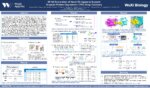
Poster_AACR 2026_Exploration of a Novel E3 Ligase to Support Targeted Protein Degradation Drug Discovery
Related Content
Building on the momentum of AACR 2026, WuXi AppTec was honored to host an outstanding group of regional industry leaders...
VIEW RESOURCEBuilding on the momentum of AACR 2026, WuXi AppTec was honored to host an exceptional group of regional industry leaders...
VIEW RESOURCE