


Evaluating cancer therapies combining radiotherapy with immunotherapy or inhibitors of the DNA damage response
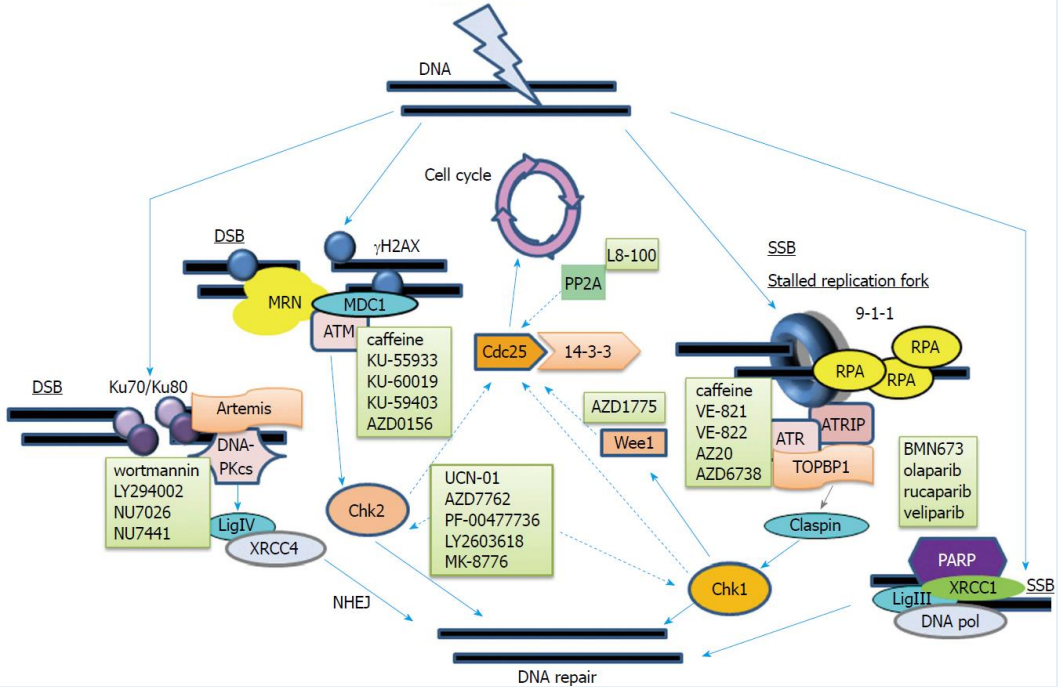
Ionizing radiation has largely been recognized as a local targeted therapy by a variety of mechanisms, including inducing direct DNA damage of cancerous tissue or contributing to systemic antitumor immunity. The capacity of cancer cells to recognize DNA damages and initiate repair plays a major role in radio-resistance. Furthermore, the irradiated tumor cell death can enhance antitumor immunity by inducing antigen expression on tumor cells and activating lymphocytes. Recent evidence indicates that cancer cells can be made more sensitive to the effects of radiation (radio-sensitization) through inhibition of DNA repair pathways, and a growing body of evidence indicates that cancer immunotherapy may also have radio-sensitizing effects. The combination of radiation therapy and DDR inhibitors/immunotherapy presents a promising strategy for cancer therapy.
A number of DNA repair pathway inhibitors and immunotherapies have recently been developed to treat cancers, and numerous evidence indicate that both inhibition of DNA repair pathway and immunotherapy have radio-sensitizing effects. To provide guidance on clinical therapeutic strategy selection, we established a comprehensive panel of in vitro assays and in vivo tumor models to evaluate the anti-tumor efficacy of fractionated radiotherapy combination.
9 Radiation_5428_Feifei
Related Content
Varicella-zoster virus (VZV) is a highly contagious alpha-herpesvirus that infects more than 90% of people worldwide. The primary infection with...
VIEW RESOURCECellular senescence plays a crucial role in aging and age-related diseases, making its study essential for the development of new...
VIEW RESOURCE