


HPV18 Tumor Models for Cancer Vaccines and Immunotherapy
OncoWuXi Express will continue to keep you informed of updates to our online pharmacology model database (OncoWuXi Database) and our recent progress in preclinical research. In this issue, we are pleased to introduce our HPV18 tumor model and its applications in efficacy evaluation.

HPV18 Oncogenic Mechanisms and Clinical Challenges
Human papillomavirus (HPV) infection is a key pathogenic factor in various malignant tumors. Persistent infection with high-risk HPV (hrHPV) is closely associated with the development of cervical cancer, anal cancer, and a subset of head and neck squamous cell carcinomas (HNSCC). Among the 14 identified high-risk HPV types, HPV18 plays a particularly crucial role in tumor initiation and progression due to its distinct biological properties and pathogenic mechanisms [1-3].
At the molecular level, the E6 and E7 proteins encoded by HPV18 degrade the host tumor suppressor protein p53 and mediate the inactivation of the retinoblastoma protein (pRb), respectively. These actions disrupt cell cycle regulation, inhibit apoptosis, and induce genomic instability, ultimately driving the malignant transformation of normal epithelial cells (Figure 1) [4-7].
Epidemiological studies indicate that HPV16 and HPV18 collectively account for approximately 70% of all cervical cancer cases. Although the detection rate of HPV18 is lower than that of HPV16, it is frequently associated with highly aggressive cervical adenocarcinomas and adenosquamous carcinomas, which typically have a poorer prognosis. Furthermore, lesions caused by HPV18 are often more insidious, making them prone to misdiagnosis in clinical settings. Additionally, HPV18 has been detected in other malignancies, such as rectal, oral, anal, and skin cancers, demonstrating broad oncogenicity [3]. Consequently, HPV18 has emerged as a critical target for the development of targeted therapies and immunotherapies.
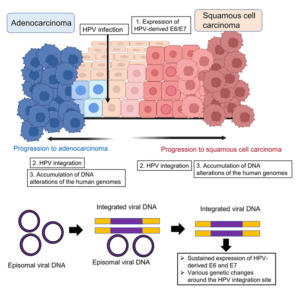
Figure 1. High-risk HPV induces cancer initiation and progression [4]
Construction and Efficacy Evaluation of HPV Mouse Tumor Models
WuXi Biology has accumulated extensive experience in the pharmacodynamic evaluation of preclinical studies for HPV-related tumors. To date, the team has successfully screened and established a diverse portfolio of HPV-related in vivo tumor models, encompassing CDX, PDX, and syngeneic mouse models. Notably, specifically targeting the high-risk HPV18 virus, the team has engineered mouse tumor models that stably express the E6 and E7 oncoproteins, providing a crucial and reliable in vivo screening and evaluation tool for novel immunotherapies targeting this virus.
Case Study
Construction of HPV18 Tumor Cell Lines
To establish mouse tumor models stably expressing the E6 and E7 oncoproteins, WuXi Biology successfully generated EO771-HPV18 and LLC1-HPV18 cell lines via lentiviral transduction. In vivo tumorigenesis assays demonstrated that both cell lines not only exhibit stable tumorigenic capacity in mice but also stably express HPV18 E6 and E7 proteins within the tumor tissues (Figure 2).
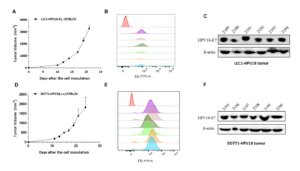
Figure 2. Construction and tumorigenicity validation of HPV18 mouse tumor cell lines
Immunogenicity Validation of the HPV18 Cancer Vaccine
WuXi Biology designed a self-amplifying RNA (saRNA) vaccine encoding HPV18 E6 and E7, with a signal peptide and a CCL11 chemokine coding sequence introduced at the 5′ end. To evaluate the vaccine’s immunogenicity, mice were immunized, and the immune status of T cells in the spleen and peripheral blood was assessed after the second immunization. The results indicated that the vaccine significantly activated T cells, particularly promoting the formation of CD8+ effector memory T cells (TEM). Intracellular cytokine staining revealed that stimulation with HPV18 E6/E7 peptides significantly upregulated the release of high levels of antigen-specific interferon-γ (IFN-γ), tumor necrosis factor-α (TNF-α), and granzyme B by CD8+ T cells. These data demonstrate that the HPV18 saRNA vaccine can effectively induce an antigen-specific T cell immune response and immunological memory in mice (Figure 3).
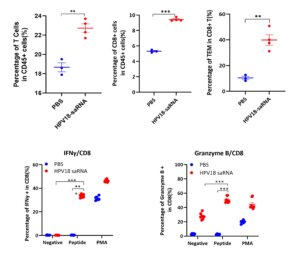
Figure 3. Immunogenicity validation of the HPV18 saRNA vaccine
Prophylactic Efficacy Evaluation of the HPV18 saRNA Vaccine in the EO771-HPV18 Model
To further assess the application potential of the EO771-HPV18 tumor model for evaluating vaccine efficacy, WuXi Biology designed a prophylactic immunization and efficacy evaluation protocol aimed at preventing tumor recurrence. Results showed that the HPV18 saRNA vaccine significantly inhibited tumor formation and progression. Flow cytometry analysis revealed a significant increase in antigen-specific T cells in immunized mice, along with a high proportion of effector memory T cells. Subsequent tumor re-challenge experiments confirmed that the immunized mice exhibited significant, specific cytotoxicity against the re-challenged tumor cells, indicating the formation of long-lasting immunological memory (Figure 4).
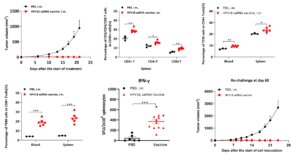
Figure 4. Efficacy and mechanism validation of the HPV18 saRNA vaccine in the EO771-HPV18 model
Therapeutic Efficacy Evaluation of the HPV18 saRNA Vaccine in the LLC1-HPV18 Model
To evaluate the potential of the HPV18 tumor model in assessing therapeutic cancer vaccines, WuXi Biology established the LLC1-HPV18 mouse tumor-bearing model. Following tumor formation, mice were treated with two doses of the HPV18 saRNA vaccine. Pharmacodynamic results showed that the vaccine significantly inhibited the growth of LLC1-HPV18 tumors, although it did not completely eradicate them. Flow cytometry indicated an increased proportion of CD8+ TEM cells in the mice following vaccination. Upon secondary antigen stimulation, the expression levels of IFN-γ and granzyme B in CD8+ T cells from splenic lymphocytes were significantly enhanced. Concurrently, immunohistochemical analysis of tumor tissues revealed a marked increase in infiltration by both CD4+ and CD8+ T cells (Figure 5).
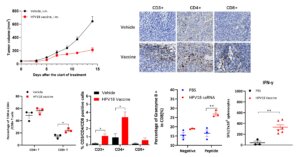
Figure 5. Therapeutic efficacy validation of the HPV18 saRNA vaccine in the LLC1-HPV18 model
Conclusion
Innovative drug discovery and development in immuno-oncology is advancing at an unprecedented pace. WuXi Biology has established a comprehensive suite of oncogenic virus-related tumor models, including HPV16, HPV18, EBV, and HBV. These models can provide robust services for related mechanistic studies and the development of therapeutic strategies (Figure 6).
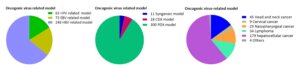
Figure 6. Overview of oncogenic virus-related tumor models established by WuXi Biology
References
- Berois N, De Cremoux P, Mazal D. Prevalence and Distribution of High-Risk Human Papillomavirus Genotypes in Invasive Carcinoma of the Uterine Cervix in Uruguay. International Journal of Gynecological Cancer, 23, 527-532.
- Muñoz N, Bosch FX, de Sanjosé S, Herrero R, Castellsagué X, Shah KV, Snijders PJ, Meijer CJ; International Agency for Research on Cancer Multicenter Cervical Cancer Study Group. Epidemiologic classification of human papillomavirus types associated with cervical cancer. N Engl J Med. 2003 Feb 6;348(6):518-27.
- Joseph J. Carter, Margaret M. Madeleine, Katherine Shera, Stephen M. Schwartz, Kara L. Cushing-Haugen, Gregory C. Wipf, Peggy Porter, Janet R. Daling, James K. McDougall, Denise A. Galloway; Human Papillomavirus 16 and 18 L1 Serology Compared across Anogenital Cancer Sites1. Cancer Res 3 March 2001; 61 (5): 1934–1940.
- Kusakabe M, Taguchi A, Bunson K, Yomori M, Osuga Y. Carcinogenesis and management of human papillomavirus-associated cervical cancer. Int J Clin Oncol. 2023.
- Ganguly N, Parihar SP. Human papillomavirus E6 and E7 oncoproteins as risk factors for tumorigenesis. J Biosci. 2009 Mar;34(1):113-23. doi: 10.1007/s12038-009-0013-7.
- Braun K, Ehemann V, Waldeck W, Pipkorn R, Corban-Wilhelm H, Jenne J, Gissmann L, Debus J. HPV18 E6 and E7 genes affect cell cycle, pRB and p53 of cervical tumor cells and represent prominent candidates for intervention by use peptide nucleic acids (PNAs). Cancer Lett. 2004 Jun 8;209(1):37-49.
- Liu X, Clements A, Zhao K, Marmorstein R. Structure of the human Papillomavirus E7 oncoprotein and its mechanism for inactivation of the retinoblastoma tumor suppressor. J Biol Chem. 2006 Jan 6;281(1):578-86. doi: 10.1074/jbc.M508455200. Epub 2005 Oct 24.
If you have any questions or need further information, please contact us at:
Business Consulting:
Technical Consultation:
Pharmacology-BD-Translation@wuxiapptec.com
Scan the QR code below to register at our OncoWuXi database for free.
For more pharmacological model data, information, and consultation.

Related Content
Natural killer (NK) cells play a crucial role in the immune system and can recognize and kill cancer cells. Research...
VIEW RESOURCEIntroduction: OncoWuXi Express will continue to keep you informed about updates to our online tumor model database (OncoWuXi Database), as...
VIEW RESOURCE